
Purpose
Email marketing is a digital marketing strategy that involves sending commercial messages or promotional content to a group of people via email.
The goal of email marketing is to build relationships with customers, promote brand awareness, drive traffic to a website, and increase sales and revenue.
Effective email marketing campaigns involve creating engaging and personalized content, segmenting email lists based on customer behavior and preferences, using eye-catching designs and layouts, and including clear calls-to-action.
Businesses can also track and analyze the performance of their email campaigns to optimize for better results. Email marketing can be used for a variety of purposes, including promotional offers, newsletters, event invitations, and more.
It’s an efficient and cost-effective way for businesses to communicate with their audience and build brand loyalty.
Marketing funnel
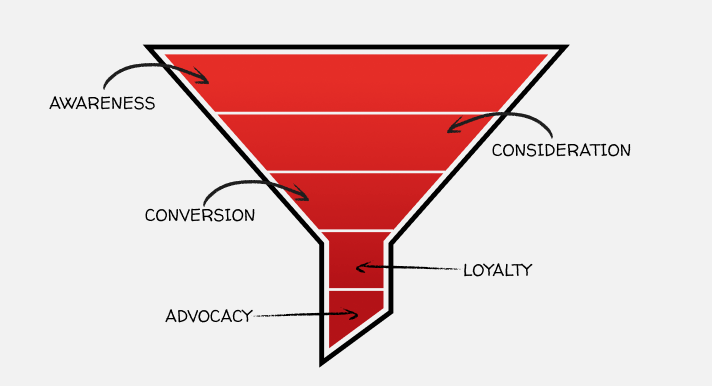
A marketing funnel describes your customer’s journey with you.
From the initial stages when someone learns about your business, to the purchasing stage, marketing funnels map routes to conversion and beyond.
With careful analysis, a marketing funnel lets you know what your company must do to influence consumers at certain stages. By evaluating your funnels, you can potentially drive greater sales, more loyalty and stronger brand awareness.
Strategies for Each Stage of the Marketing Funnel
The marketing funnel works as a unified whole. This means that every section needs to work perfectly for the journey to be successful. There are many things that reduce friction in their marketing funnel. For instance:
- Awareness: Branded content strategies appeal to audiences and make them receptive to future interactions.
- Consideration: Brand advocates and social proof assist customers when they’re comparing you against competitors.
- Conversion: A simple purchasing process reduces the risk of buying.
- Loyalty: A loyalty program with regular discounts, email interactions and social media maintains customers.
- Advocacy: Receptive individuals in your loyalty program support your future marketing funnels.
email marketing terms
| Call to Action (CTA) | A CTA invites a lead to perform the desired action, which in turn helps you achieve your marketing goals. |
| CTR (Click Through Rate) | This is the percentage of recipients that click on a link in your email. The higher the CTR, the better. |
| Engagement Rate | The rate of engagement is a measure of how people react and interact |
| Lead Nurturing | Lead nurturing is the process of sharing valuable and relevant content through a series of touchpoints |
| Opt-in | To subscribe to an Email |
| Opt-out | To unsubscribe to an Email |
| Acceptance Rate | This is the percentage of emails you send out that are accepted by your recipients’ email servers and is sometimes referred to as the deliverability rate. |
| Bounce Rate | It refers to the percentage of emails you send out that are not accepted by your recipients’ email servers. |
| Buyer Persona | Ideal customer |
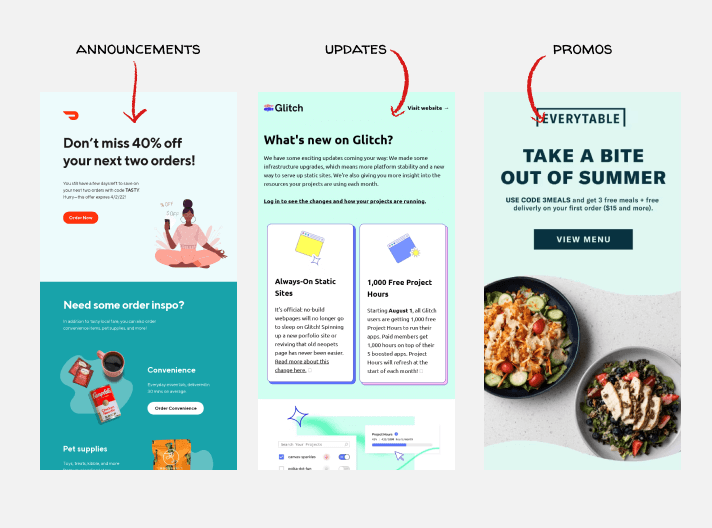
types of email marketing
Newsletter
It is a tool used to communicate regularly with your subscribers, delivering the information you want in your email boxes, these messages can contain simple text or a structure composed of images and formatted text.
Welcome Series
This is the first email new subscribers receive after signing up for your email list. Welcome emails typically confirm that someone was successful in joining your newsletter, and deliver the incentive that was promised to them upon signups, such as a discount code or a lead magnet.

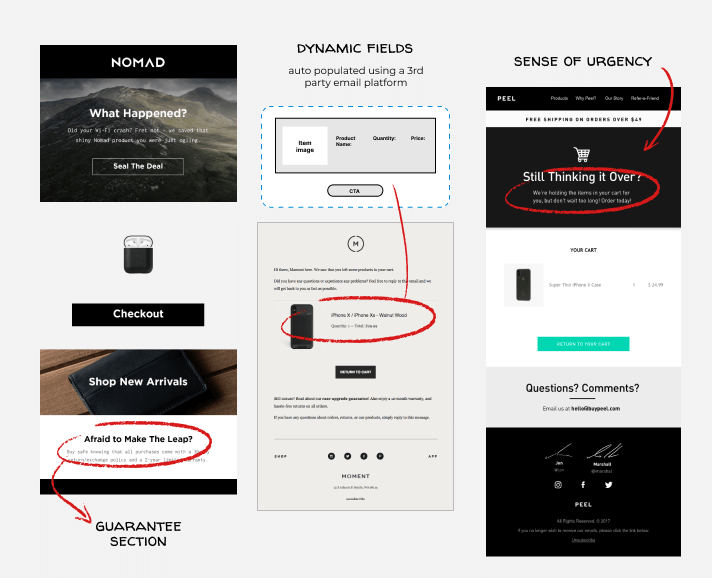
Cart Abandonment
It is a follow-up email sent to someone who has added items to their cart and gotten through a portion of the checkout and then left the site without purchasing.
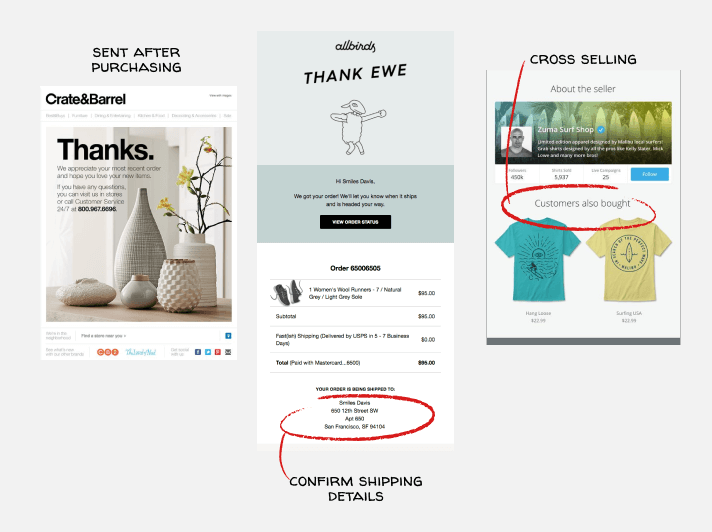
Post Purchase
Post-purchase emails are a part of your transactional flow and are emails that you send after a customer makes a purchase. Post-purchase emails can provide your customers with important information about their orders.
best practices

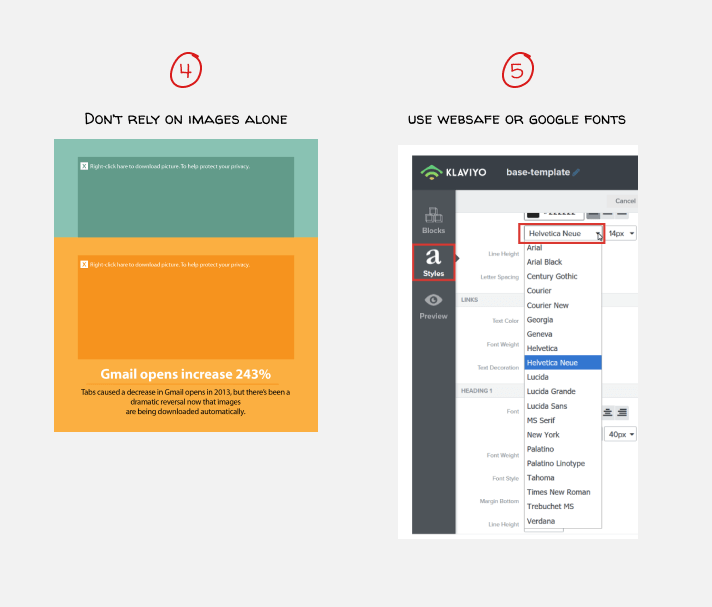
best email inspos links
Really Good Emails
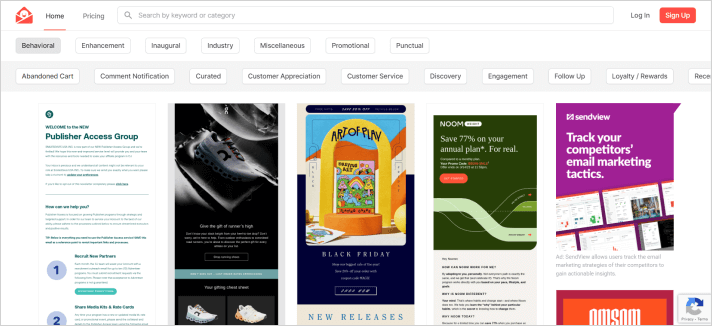
LINK: https://reallygoodemails.com/
Mail Chimp

LINK: https://mailchimp.com/features/email-templates/#all
Dribbble

LINK: https://dribbble.com/search/email-newsletter
Campaign Monitor

LINK: https://www.campaignmonitor.com/best-email-marketing-campaigns/

LINK: https://www.pinterest.ph/search/pins/?q=email%20design
Canva Design School
